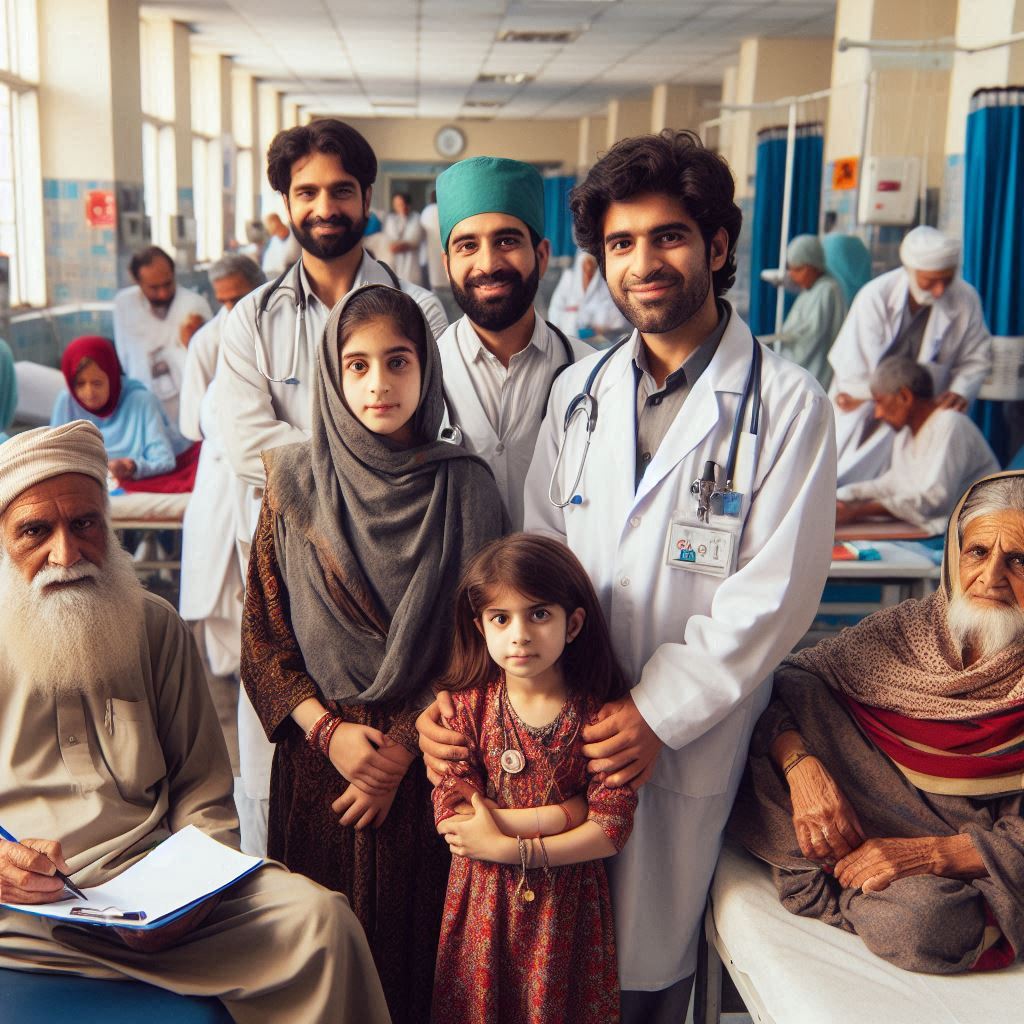


Pakistan’s healthcare system faces numerous challenges, including fragmented services, inadequate infrastructure, and a shortage of medical professionals. To address these issues, a one-stop shop for medical needs can revolutionize the way healthcare is delivered in Pakistan.
What is a One-Stop Shop?
A one-stop shop for medical needs is a comprehensive healthcare facility that offers a wide range of medical services under one roof. This includes diagnostic tests, treatments, surgeries, and post-operative care, as well as ancillary services like pharmacy, laboratory, and radiology.
Benefits of a One-Stop Shop
1. Convenience: Patients can access multiple services in one location, reducing travel time and hassle.
2. Streamlined Care: Coordinated services ensure seamless transitions between diagnosis, treatment, and recovery.
3. Improved Outcomes: Comprehensive care leads to better health outcomes and reduced complications.
4. Reduced Costs: Bundled services can reduce overall healthcare expenditures.
5. Enhanced Patient Experience: One-stop shops focus on patient-centered care, improving satisfaction and trust.
Pakistan's Healthcare Challenges
1. Fragmented Services: Patients often visit multiple facilities for different services, leading to disjointed care.
2. Inadequate Infrastructure: Many healthcare facilities lack modern equipment and amenities.
3. Shortage of Medical Professionals: Pakistan faces a shortage of skilled doctors, nurses, and technicians.
Solutions and Recommendations
1. Public-Private Partnerships: Collaborate with private sector investors to establish one-stop shops.
2. Government Support: Allocate resources and provide incentives for one-stop shop development.
3. Standardization: Establish standardized protocols and guidelines for one-stop shops.
4. Workforce Development: Invest in training and capacity-building programs for healthcare professionals.