
Search Doctor
Search Doctor in your LocationWant to List your Health Business with Us?
contact@sehatyabi.pk

Mobile App coming soon..


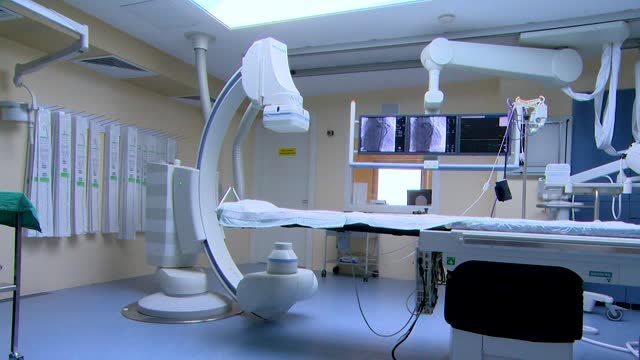
Coronary Angiography
Coronary Angiography is an invasive diagnostic procedure that visualizes the coronary arteries, which supply blood to the heart muscle. It is commonly used to detect blockages or narrowing in the coronary arteries that could lead to conditions like angina or heart attacks.
How is Coronary Angiography performed?
1. Insertion of a catheter through an artery in the leg or arm
2. Guiding the catheter to the coronary arteries using X-ray imaging
3. Injecting contrast agent to visualize the arteries
4. Taking X-ray images to diagnose blockages or narrowing
Uses of Coronary Angiography:
Detecting Coronary Artery Disease (CAD): The primary use of coronary angiography is to identify the presence, location, and severity of blockages in the coronary arteries caused by plaque buildup (atherosclerosis).
Guiding Treatment Decisions: Based on the angiogram results, doctors can determine the best treatment approach, such as lifestyle changes, medication, angioplasty, or coronary artery bypass surgery.
Assessing Chest Pain: Coronary angiography is often performed in patients with unexplained chest pain (angina) to determine if coronary artery disease is the cause.
Post-Heart Attack Evaluation: After a heart attack, this test can assess the extent of damage to the coronary arteries and guide further treatment.
Pre-Surgical Evaluation: It may be used before certain heart surgeries to evaluate the coronary arteries.
Coronary angiography is a critical tool in the diagnosis and management of coronary artery disease, providing essential insights that guide treatment decisions and improve patient outcomes.
Find Special Doctor
Search in your Area
Everything Together
Check Reviews
Remember to consult your doctor or healthcare professional for specific instructions and to discuss any concerns or questions you may have!
Generally safe, but risks include bleeding, infection, and radiation exposure.
Typically 30-60 minutes.
Yes, follow instructions regarding food, drink, and medication.
No, it's a diagnostic test; treatment options will be discussed separately.