
Search Doctor
Search Doctor in your LocationWant to List your Health Business with Us?
contact@sehatyabi.pk

Mobile App coming soon..


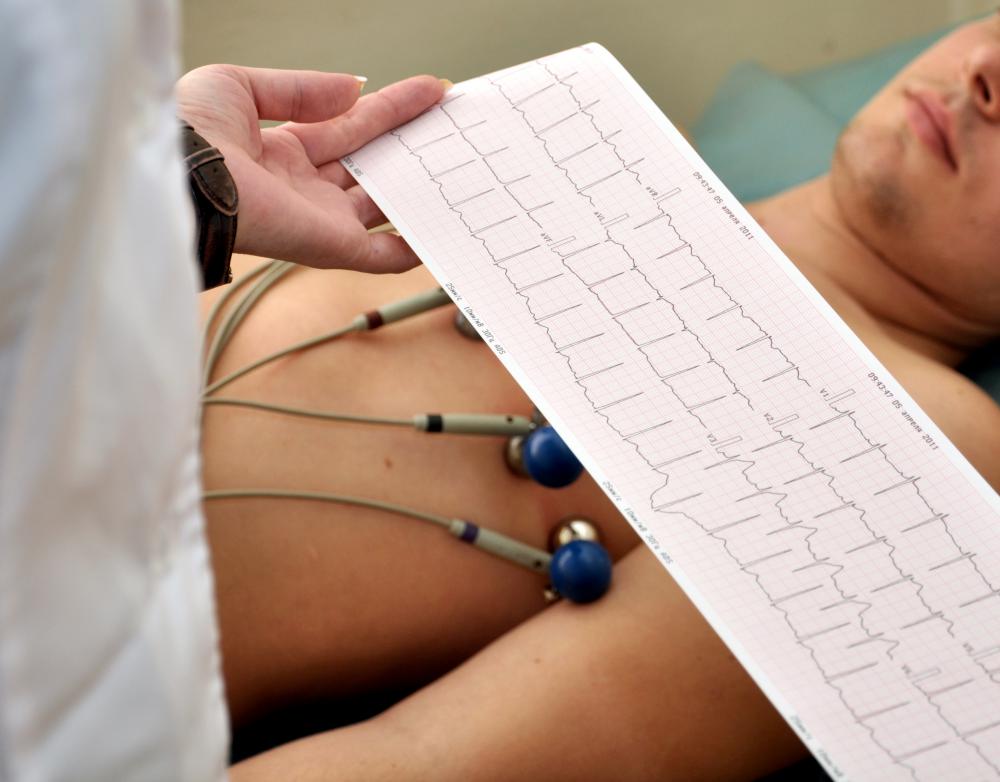
Electrocardiogram (ECG or EKG)
An electrocardiogram (ECG or EKG) is a medical test that measures the electrical activity of the heart. It’s a non-invasive, painless, and quick test that provides valuable information about the heart’s function and rhythm.
Here’s what you need to know:
What does an ECG measure?
– Heart rate and rhythm
– Electrical activity of the heart’s chambers
– Strength and timing of electrical signals
How is an ECG performed?
– Small electrodes are placed on the skin of the chest, arms, and legs
– The electrodes detect electrical activity and send signals to a monitor or printer
– The test takes about 5-10 minutes
Types of ECGs:
– Resting ECG: Measures heart activity while lying down
– Stress ECG: Measures heart activity during physical stress (exercise or medication)
– Ambulatory ECG (Holter monitor): Measures heart activity over 24-48 hours
What can an ECG diagnose?
– Arrhythmias (abnormal heart rhythms)
– Coronary artery disease
– Cardiac arrest
– Heart failure
– Electrolyte imbalances
How is an ECG different from an echocardiogram?
– An ECG measures electrical activity, while an echocardiogram uses sound waves to create images of the heart’s structure and function.
Find Special Doctor
Search in your Area
Everything Together
Check Reviews
If you have any questions or concerns, feel free to ask!
The test is painless, takes 5-10 minutes, and involves placing small electrodes on your skin.
No special preparation is required, but remove jewelry and clothing that may interfere with electrodes.
No, while valuable, additional tests may be needed to confirm certain diagnoses.
Yes, ECGs are safe for both children and pregnant women.